Revive Your Draft Beer System for Perfect Pouring
This guide stresses that deep cleaning and proper system balancing are non-negotiable for ensuring customer safety and beer quality after any extended shutdown (seasonal closure or downtime). At Renny's Draft Solutions, we recommend these steps to get your beer system back in order.
1. Assessing Your Draft System's Current State
The primary goal is to identify issues (like bacterial growth) caused by stagnant beer.
- Never serve beer from dormant lines: Stagnant beer rapidly breeds bacteria (like Lactobacillus and Pediococcus), causing off-flavors like vinegar (acetic acid) and buttery notes (diacetyl).
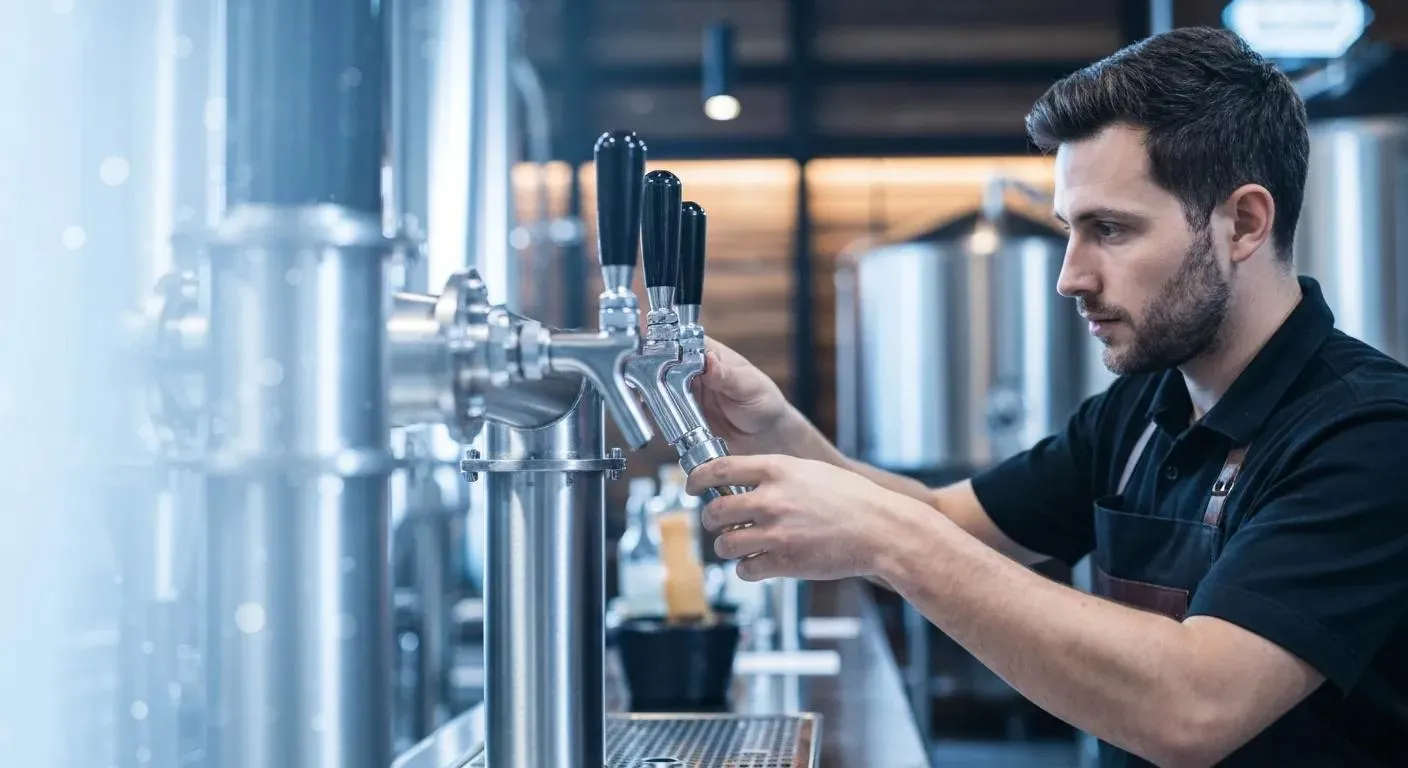
- Critical Pre-Inspection Checklist: Visually check for leaks, corrosion, and mold. Verify CO₂ pressure and ensure the chilling system holds the optimal temperature of 34–38°F (1–3°C).
- Red Flags: Cloudy/chunky residue, foul odors (such as vinegar or sulfur), rust, or ice buildup inside the system require immediate shutdown and deep cleaning.
- Detailed Documentation: Maintain a log of all inspection findings, including dates, identified issues, and the corresponding actions taken. This creates a valuable historical record for future troubleshooting and compliance.
2. Deep Cleaning – The Non-Negotiable Foundation
Cleaning must address the invisible threats of biofilm, yeast, and beer stone (calcium oxalate), which can form in as little as 14 days.
.webp)
- Flush First: Start by flushing all lines with clean, potable water for 15 minutes per line.
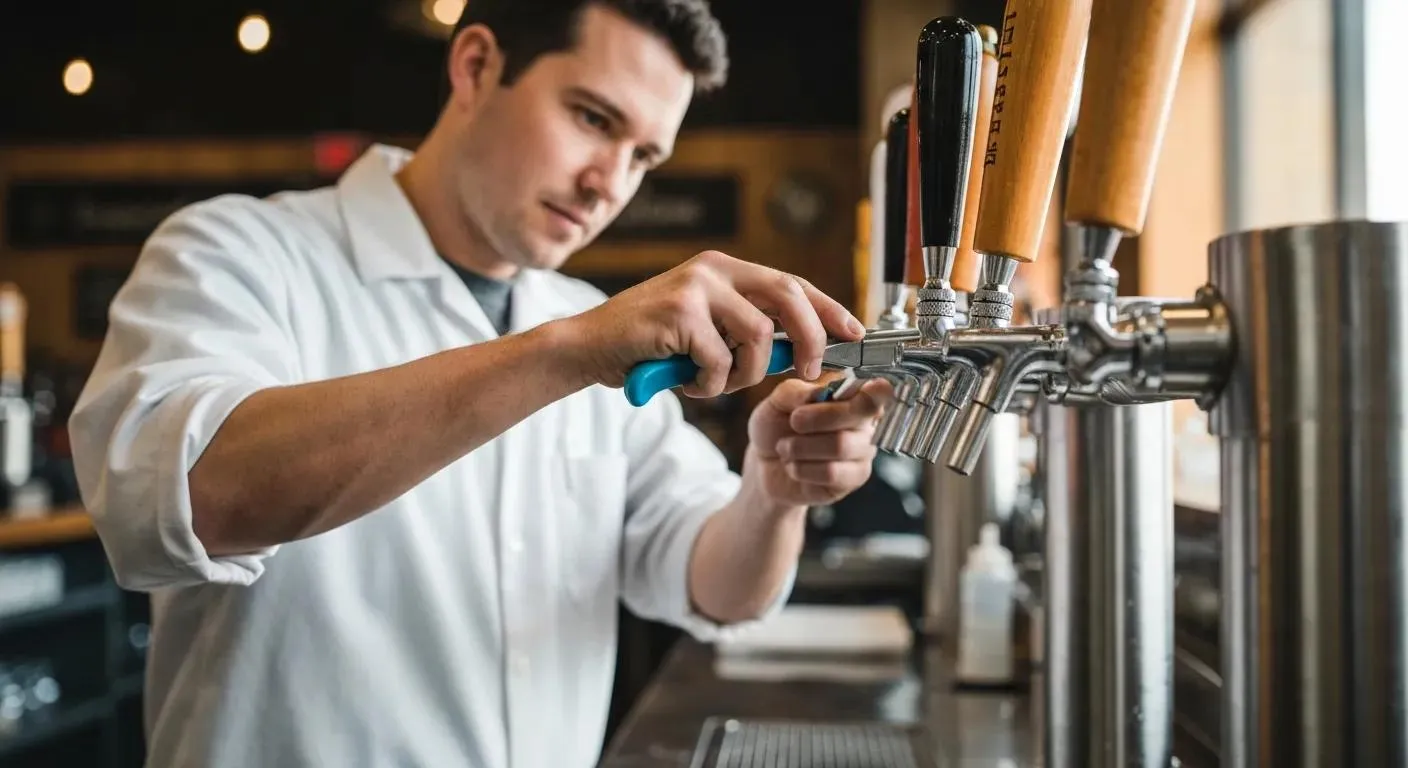
- Caustic (Alkaline) Clean: Recirculate an approved BLC/caustic solution (2–3% concentration) for 15–20 minutes at 80–100°F (27–38°C) to dissolve protein and hop residue.
- Thorough Rinsing: Rinse with clean water until the pH level is neutral (using pH strips) to prevent soapy off-flavors.
- Acid Rinse: Follow up with an acid-based cleaner to remove mineral deposits/beer stone.
- Sanitize: An optional but recommended final step using quaternary ammonium or iodophor.
- Pro Tip: Maintain logs and label components (FOB detectors, couplers) with cleaning dates for accountability.
- Safety First: Chemical Handling: Always ensure staff are properly trained in handling cleaning chemicals, wearing appropriate PPE (gloves, eye protection), and following manufacturer safety data sheets (SDS).
- Only Use Approved Cleaning Agents: Utilize only food-grade, brewery-approved cleaning solutions specifically designed for draft beer systems to prevent contamination and ensure effectiveness.
3. Reactivating the System – Balance Is Everything
A perfect pour requires the proper balance of applied pressure, line resistance, and temperature.
- The Physics of Pour: The applied pressure (PSI) must be set to maintain the beer's specific CO₂ volume (e.g., 2.5–2.7 for lager) against the total resistance of the system (line length, elevation, restrictors).
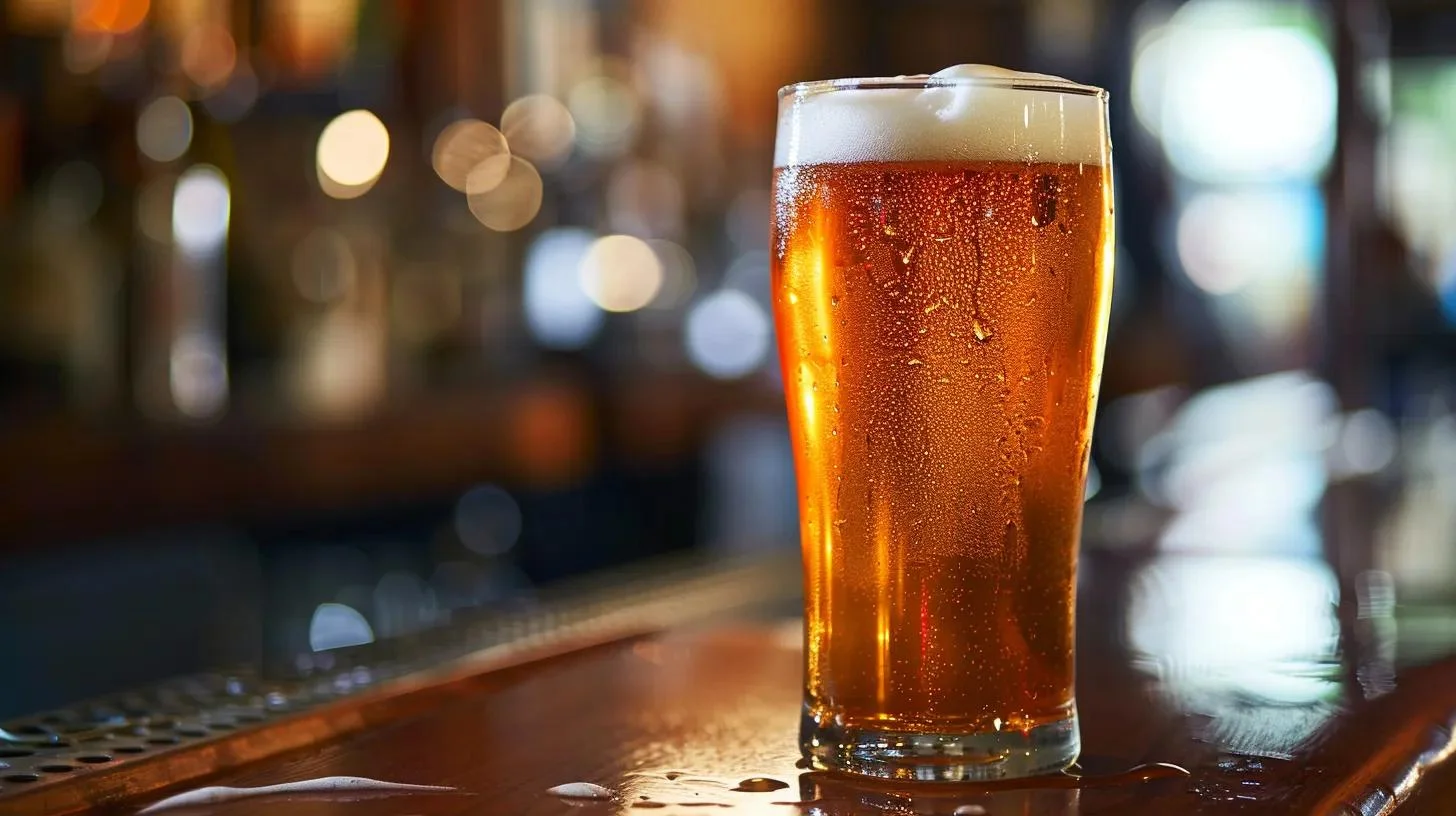
- Reactivation Sequence: Connect fresh kegs and set the regulator to the calculated PSI. Purge air from the lines. Test pour until you achieve a clear beer with a 1-inch foam collar.
- Critical Point: Incorrect PSI leads to major defects: Over-carbonation causes wild foam; under-carbonation causes flat beer.
4. Common Post-Reopening Problems & Fixes
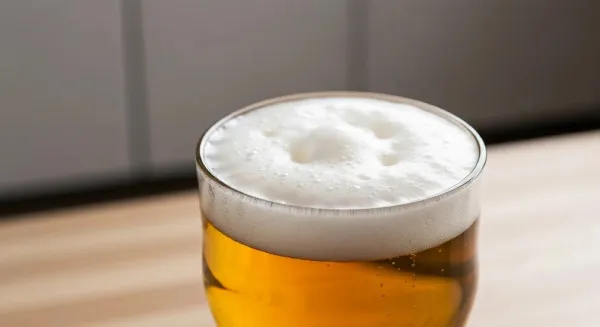
Troubleshooting should focus on the primary causes: temperature, pressure, and cleanliness.
- Wild Foam: Usually caused by temperature swings, a dirty faucet, or overpressure. Fix: Stabilize temperature and lower PSI.
- Flat Beer: Caused by leaks or under pressure. Fix: Check connections and increase PSI.
- Buttery Off-Flavor (Diacetyl): A sign of persistent bacteria. Fix: Deep clean with caustic and consider replacing contaminated lines.
The Business Impact of a Pristine Draft System
For hospitality businesses, a well-maintained draft beer system isn't just about quality; it's a critical component of your operational success and customer satisfaction. Neglecting it can lead to significant financial losses and damage to your brand.
- Increased Customer Satisfaction & Loyalty: Consistently serving high-quality, perfectly poured beer enhances the customer experience, encouraging repeat visits and positive word-of-mouth.
- Reduced Product Waste & Cost Savings: Eliminating off-flavors, wild foam, and flat beer directly reduces wasted product. Proper system balancing and cleaning minimize beer loss, improving your bottom line.
- Enhanced Brand Reputation: A reputation for serving excellent draft beer sets your establishment apart. Conversely, poor beer quality can quickly tarnish your image and drive customers to competitors.
- Compliance & Health Standards: Adhering to strict cleaning protocols ensures you meet health and safety regulations, protecting your customers and avoiding potential fines or operational shutdowns.
- Optimized Staff Efficiency: A well-functioning system reduces the time staff spend troubleshooting issues, allowing them to focus on service and sales.

5. Building a Sustainable Maintenance Culture
One deep clean is not enough; routine maintenance is required for continuous quality.
- Weekly Tasks: Clean faucets and couplers.
- Bi-Weekly Tasks: Recirculate caustic through trunk lines.
- Monthly Tasks: Check glycol bath levels and pH.
- Training & Audits: Use industry resources (like the Brewers Association) and run "pour audits" to ensure staff consistency and quality. Implement a structured training program for all new hires and provide regular refreshers. Empower staff to identify and report issues promptly.
- Maintenance Logs: In addition to cleaning dates, maintain detailed logs of all maintenance activities, including the person who performed the task, any issues identified, and the solutions implemented. This accountability fosters a culture of quality.
Frequently Asked Questions
What are the signs that my draft beer system needs immediate attention?
Signs that your draft beer system requires immediate attention include cloudy or chunky residue in the lines, foul odors resembling vinegar or sulfur, rust, and ice buildup.
These indicators suggest potential bacterial growth or other issues that could compromise the quality and safety of the beer. If you notice any of these red flags, it is crucial to shut down the system and perform a thorough deep cleaning to prevent serving contaminated beer to customers.
How often should I perform maintenance on my draft beer system?
Routine maintenance is essential for ensuring the quality of your draft beer system. Weekly tasks should include cleaning faucets and couplers, while bi-weekly maintenance involves recirculating caustic through trunk lines.
Monthly checks should focus on glycol bath levels and pH. Establishing a consistent maintenance schedule helps prevent issues and ensures that your system operates efficiently, providing customers with high-quality beer.
What is the best way to prevent bacterial growth in my draft beer lines?
To prevent bacterial growth in your draft beer lines, it is essential to maintain a regular cleaning schedule. Deep cleaning should be performed at least every two weeks, focusing on flushing lines with potable water, using caustic solutions, and rinsing thoroughly.
Additionally, ensure that the system is balanced in terms of pressure and temperature, as stagnant beer can lead to bacterial growth. Keeping logs of cleaning dates and procedures can also help maintain accountability.
Can temperature fluctuations affect the quality of draft beer?
Yes, temperature fluctuations can significantly impact the quality of draft beer. If the temperature rises above the optimal range of 34–38°F (1–3°C), it can lead to off-flavors and spoilage.
Additionally, temperature swings can cause issues like wild foam or flat beer. To maintain consistent quality, it is crucial to monitor and stabilize the temperature throughout the system, ensuring that the beer is served at the correct temperature for optimal flavor and carbonation.
What should I do if my beer tastes off after it has been reopened?
If your beer tastes off after reopening, it may be due to several factors, including bacterial contamination, improper cleaning, or incorrect pressure settings.
First, check for signs of bacteria, such as buttery off-flavors (diacetyl) or vinegar-like tastes. If detected, perform a deep clean of the system.
Additionally, verify that the pressure settings are correct and that the system is balanced. If problems persist, consider consulting a professional for further troubleshooting.
How can I ensure my staff is trained adequately in draft beer maintenance?
To ensure your staff is properly trained in draft beer maintenance, consider utilizing industry resources such as Micro Matic's Dispense Institute for training materials.
Conduct regular training sessions that cover cleaning procedures, troubleshooting common issues, and the importance of maintaining a balanced system. Implementing "pour audits" can also help assess staff performance and consistency, ensuring that everyone is knowledgeable and capable of maintaining the quality of the draft beer system.
What are the long-term benefits of consistent draft system maintenance for my business?
Consistent draft system maintenance offers numerous long-term benefits for your business, including enhanced customer satisfaction and loyalty due to consistently high-quality beer, significant reductions in product waste, and improved operational efficiency.
It also strengthens your brand's reputation for quality, ensures compliance with health regulations, and ultimately contributes to increased profitability and a more sustainable business model.
Conclusion
Reviving your draft beer system ensures not only the safety of your customers but also the quality of the beer served. By implementing a thorough cleaning and maintenance routine, you can prevent bacterial growth and off-flavors, leading to a better drinking experience. Please take the next step in enhancing your draft system by exploring our expert resources and maintenance guides. Ensure your beer is always at its best—start your journey to a perfectly balanced pour today.