
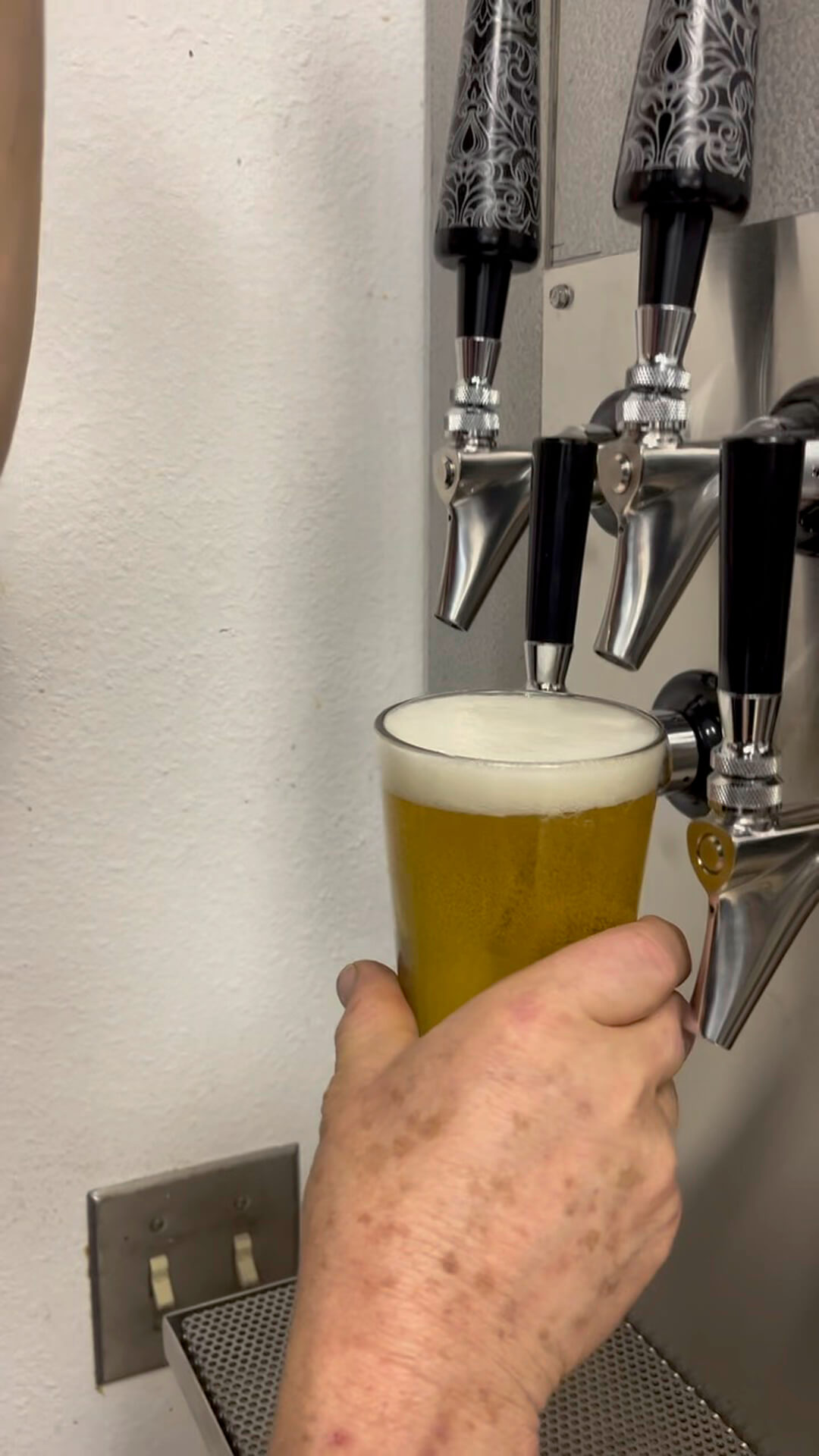
Quick Summary: Regular draft system maintenance prevents contamination, temperature drift, and hardware failure. The core checks are line cleaning every 14 days, daily temperature and pressure monitoring, and inspecting faucets and fittings at every keg change. Getting these right protects pour quality, cuts waste, and avoids costly breakdowns mid-service.
A draft system can look perfect at the bar and still lose beer, pressure, and flavor out of sight. Most maintenance problems surface late, as foam, flat pours, sour taste, slow service, or failed parts. This guide ranks the seven checks that matter most, drawn from current service best practices, and covers contamination, pressure swings, temperature drift, cooling trouble, and worn hardware in any commercial setup.
Quick Comparison
| Check | Best for | Primary risk prevented | Typical frequency | System types |
|---|---|---|---|---|
| Line cleaning and sanitation | Preventing contamination and off-flavors | Biofilm, beer stone, stale-tasting beer | Every 14 days or per brewery guidance | Direct draw, air-cooled, glycol-cooled |
| Temperature control | Protecting taste and pour consistency | Foam, flat beer, flavor drift | Daily monitoring with periodic verification | All commercial draft systems |
| Pressure and gas checks | Avoiding foam, flat beer, unstable flow | Incorrect pressure and gas imbalance | Daily visual checks plus service verification | Direct draw and long-draw systems |
| Faucet, coupler, and hardware inspection | Preventing leaks and hardware failures | Worn seals, loose fittings, poor connections | Every cleaning cycle and during keg changes | All commercial draft systems |
What to know about draft system maintenance
Draft system maintenance is the routine care that keeps beer cold, clean, and pouring right. It protects flavor, cuts waste, and prevents service slowdowns during your busiest hours.
Most draft problems build over time rather than all at once. A little buildup, a small temperature shift, or one loose fitting can turn into foam, off-flavors, leaks, or broken parts.
Maintenance is cheaper than emergency repair, and it makes troubleshooting faster when something does go wrong.
1. Line cleaning and sanitation
Regular line cleaning is your best defense against contamination and off-flavors. Dirty lines collect yeast, bacteria, mold, beer stone, and residue that hurt taste, foam, and yield. Brewers Association guidance calls for a two-week cleaning cycle as the baseline in any solid draft system cleaning schedule.
What it prevents: biofilm and beer stone before taste slips, and buildup in faucets, couplers, and tubing. It also heads off the sour, buttery, or stale off-flavors that drive customers away from your draft list.
Frequency: every 14 days, or tighter per brewery guidance. Applies to direct draw, air-cooled, and glycol-cooled systems alike.
The trade-off: it demands disciplined scheduling, and it is the check most often neglected until flavor problems are already showing up in the glass.
It ranks first because contamination in the beer path ruins quality fast and creates equipment problems that were entirely avoidable.
2. Temperature control
Beer needs to stay cold from keg room to faucet. The Brewers Association notes that most systems target 36 to 38F, because warmer beer loses gas, pours foamy, and can end up flat during dispense.
What it prevents: carbonation loss and foam from warm beer. It matters equally for direct draw, long draw, and seasonal setups.
Frequency: daily checks, following cold storage guidance.
The trade-off: hidden temperature drift often looks like a pressure problem, which sends staff chasing the wrong fix.
It ranks here because clean lines still pour badly if temperature drifts.
3. Pressure and gas checks
Balanced pressure keeps beer moving with the right resistance and carbonation. If pressure is off, you get foam, slow pours, or flat beer. Daily regulator and gas line checks catch drift early, and the Brewers Association notes that pressure and temperature work together to protect carbonation.
What it prevents: over-carbonation, under-carbonation, and unstable flow in both direct-draw and long-draw setups. It also keeps gas blends correct for longer runs, as outlined in the Draught Beer Quality Manual.
Frequency: daily visual checks, plus verification at each service visit.
The trade-off: gas problems often need technician support rather than an in-house fix.
It ranks high because pressure faults are common and routinely mistaken for cleaning problems.
4. Faucet, coupler, and hardware inspection
Small worn parts create leaks, contamination, and flow loss. Faucets, couplers, seals, and fittings wear out faster than most teams expect, so inspect them every cleaning cycle and at every keg change. FDA Food Code Chapter 4 also stresses cleanable, smooth food-contact surfaces.
What it prevents: worn O-rings, gaskets, washers, and loose fittings, which in turn cause leaks, air intrusion, and bad pours.
Frequency: every cleaning cycle and keg change, on all commercial systems.
The trade-off: some wear only shows after teardown, and some parts need replacing rather than cleaning.
It ranks here because coupler problems tend to show up first as flow and pressure faults, but they stay cheap to fix when caught early.
Also Worth Checking
These three matter most if you run high volume or a long-draw setup. They catch quality, hygiene, and scheduling problems before they become downtime.
- Glycol or cooling system check. Critical for long-draw systems, where trunk-line temperature control protects both beer quality and flow.
- Drain tray and cooler cleanliness. Reduces hygiene problems and helps staff spot spills, leaks, and neglect before they spread.
- Maintenance log and service schedule. Keeps recurring cleaning, inspections, and service intervals visible and consistent.
How to set your maintenance priorities
Pick priorities by risk, not guesswork. Start with the checks that change beer quality first, then build outward.
- Start with core quality checks. Cleaning, temperature, and pressure come first.
- Add cooling checks for long-draw systems. Glycol and trunk line cooling need regular review.
- Bundle small inspections into routine work. Check faucets and couplers at every cleaning or keg change.
- Use a written schedule. Track weekly, bi-weekly, quarterly, and annual tasks.
- Match frequency to traffic. Busy bars and event venues need tighter oversight.
- Call a pro for repeat foam or flavor issues. Recurring problems need expert diagnosis before you start replacing parts.
Stop draft breakdowns before they hit service. Book preventive maintenance with Renny's Draft Solutions for cleaner lines, better pours, and fewer costly surprises.
Frequently Asked Questions
How often do draft systems need maintenance?
Clean lines every two weeks. Check couplers, seals, gas pressure, and temperature weekly. Deep service depends on volume, system length, and product mix.
What is the first warning sign of a draft system problem?
Foam, off-flavors, slow pours, and shifting keg pressure usually show up first. Do not wait for a full breakdown.
Can staff handle maintenance in-house?
Staff can handle daily and weekly checks. Leave line cleaning, gas issues, and system balancing to a draft service professional.